 Stories
 Contact
 Get Help
Michelle Wilcox and Cortney Nicolato - Guest columnists
April 08, 2026
Providence is right to treat housing affordability as a crisis. Every day, our organizations see the consequences of rising rents and limited housing options for Rhode Islanders struggling to stay housed. Families are doubling up with relatives. Workers are commuting longer distances because they cannot afford to live near their jobs. And for our lowest income neighbors, the lack of available housing is often the tipping point to homelessness.
We applaud the Providence City Council for elevating this issue and for working to find solutions. The council and Mayor Brett Smiley deserve credit for recognizing housing affordability as a defining challenge facing our city and state.As leaders of two nonprofit organizations that have spent decades working to expand housing opportunity and economic stability, we share the urgency to act. But we also believe that the solutions we pursue must be grounded in evidence and focused on the root cause: we simply don’t have enough housing.
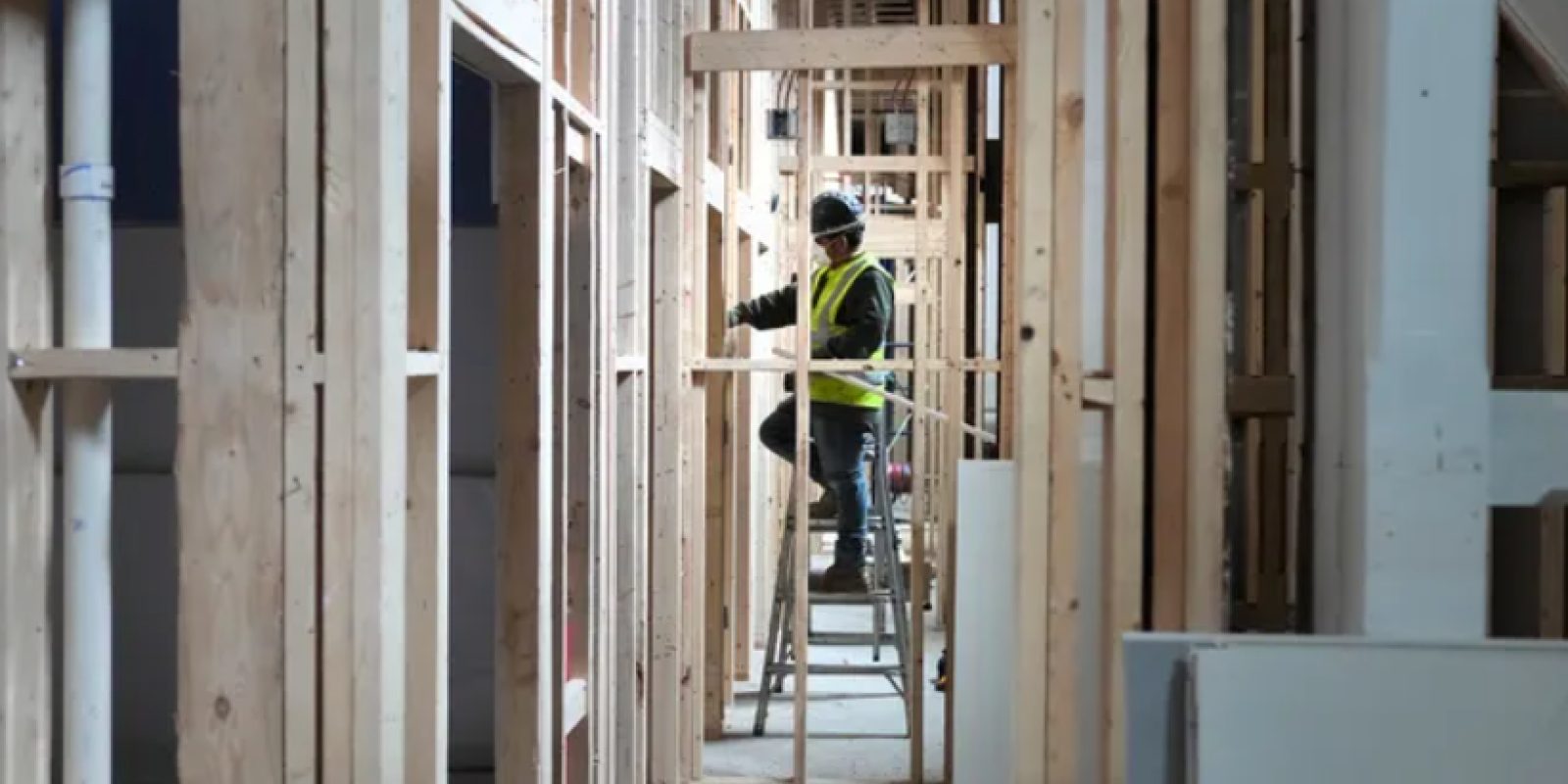
Rhode Island ranks last in the nation in new housing starts. At our current pace of construction, it would take more than 15 years to meet the state’s housing needs.
The shortage drives everything else. When housing supply cannot keep pace with demand, prices rise and the people with the least ability to compete in the market lose out first. For organizations like ours, the impact is clear.
At Crossroads Rhode Island, we see how the lack of available housing pushes vulnerable residents out of the market entirely.\
And at United Way, we see the housing crisis and its ripple effects on families and our economy in real time through our 211 helpline. Housing, food and utility assistance are the top reasons our neighbors call 211. Working families and ALICE (Asset Limited, Income Constrained, Employed) households already struggling to cover basic needs are often one unexpected expense away from crisis.
The housing crisis isn’t theoretical, it’s shaping the lives of Rhode Islanders every day. It’s why, together, we support a balanced approach that increases housing supply while also strengthening tools to stabilize families and prevent homelessness.
The proposed Providence rent stabilization ordinance is motivated by a real and understandable concern. But research from cities across the country shows that rent control and stabilization policies often produce unintended consequences. By capping revenue growth and adding new regulatory layers, these policies can discourage new development and reduce investment in rental housing. In tight housing markets, this can worsen the shortage.
Providence and Rhode Island cannot afford to slow housing production. Rather, we should be focused on accelerating development, not creating uncertainty that could delay or deter new projects.
For Crossroads, this is especially important. Permanent supportive housing, the proven model for ending homelessness, depends on a functioning housing market. And building and financing supportive housing relies on a broader housing ecosystem, including workforce and market-rate apartments that create vacancy in the market and make it possible to serve those with the greatest needs.
Simply put, the more housing built at all income levels, the easier it becomes to ensure affordable and supportive housing can succeed. That’s why Rhode Island’s housing priorities should be simple and clear.
- Priority one: build more housing
- Priority two: build more housing
- Priority three: build more housing
This means removing barriers to development, accelerating permitting, encouraging density where appropriate, and supporting public-private partnerships expanding housing supply.
We recognize the City Council is responding to pressure from residents worried about rent increases and displacement. Those concerns deserve attention, as well as eviction prevention strategies. But if our policies make it harder to build the housing we desperately need, or we are not thoughtful enough about implementation, we risk deepening the very crisis we’re trying to solve.
Rhode Island has the opportunity to lead with evidence-based solutions that prioritize housing production paired with targeted stabilization strategies. By working together, city leaders, advocates and developers can expand housing and ensure Providence remains a city where people of all incomes can find a place to call home.
Michelle Wilcox is the president and CEO of Crossroads Rhode Island. Cortney Nicolato is the CEO and president of United Way of Rhode Island.